Friday, March 6, 2015

PACKED TO TRAVEL II

STEP ONE; STARTING WITH A PIECE OF BUBBLE WRAP BIG ENOUGH TO COVER THE POT FROM TOP TO BOTTOM AND ENTIRELY AROUND THE POT. IF POSSIBLE, DUE TO EXTRA ROOM IN THE WOOD BOX, 2 SHEETS OF BUBBLE WRAP CAN BE USED TO PROTECT THE POT
 
STEP TWO; BEFORE WRAPPING THE POT IN THE SHEET OF BUBBLE WRAP, USE A FOLDED STRIP OF BUBBLE WRAP TO GO AROUND THE CENTER OF THE POT. THE CENTER OF THE POT IS THE AREA MOST LIKELY TO COME INTO CONTACT WITH THE INTERIOR OF THE WOOD BOX AND THIS ADDS AN EXTRA SECURITY LAYER TO THIS WIDEST PART OF THE POT. LIKEWISE, THE FRAGILE NECK/ MOUTH OF A POT CAN ALSO RECEIVE THE SAME TREATMENT.
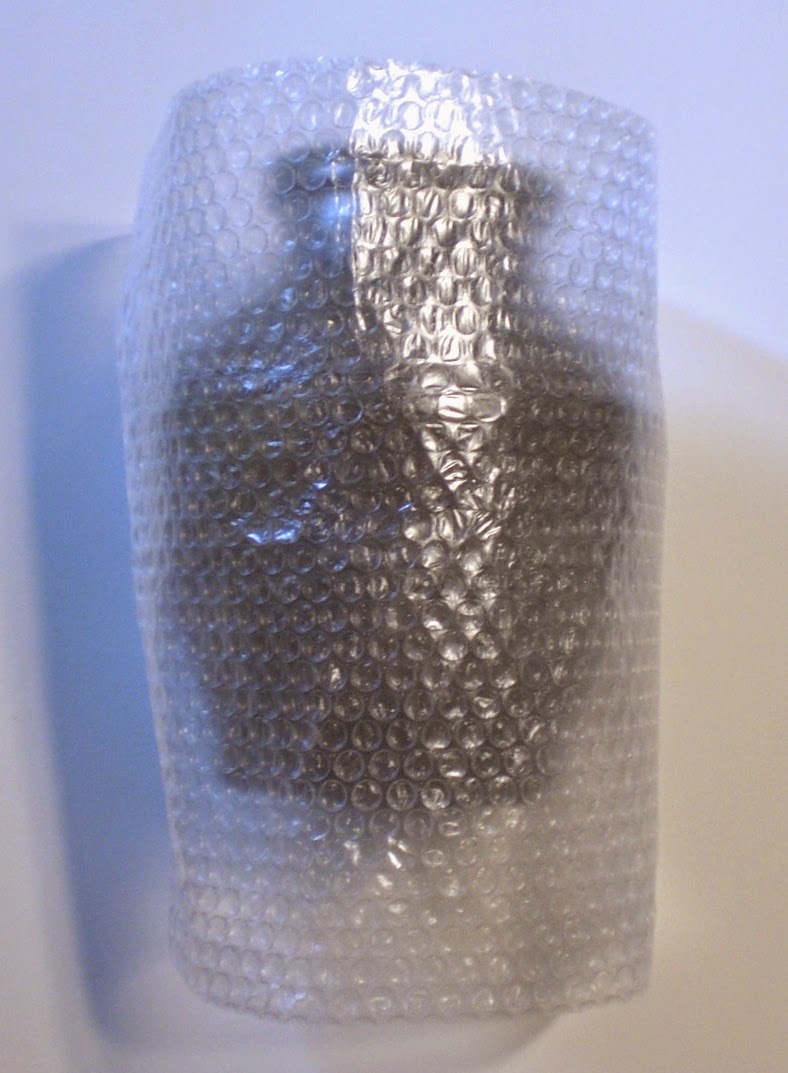
 
STEP THREE; WRAP THE STRIP OF BUBBLE WRAP AROUND THE POT FOLLOWED BY THE SHEET TO ENTIRELY SURROUND THE POT. USE TAPE TO SECURE THE BUBBLE WRAP IF NEEDED
 
STEP FOUR;  CUT TWO LONG STRIPS OF BUBBLE WRAP AND PLACE ONE FROM NOTH TO SOUTH AND THE OTHER FROM EAST TO WEST OVER THE OPENING OF THE BOX. BY USING THE STRIPS OF BUBBLE WRAP AS SHOWN IN CONJUNCTION WITH THE PREVIOUSLY WRAPPED POT, THERE IS NOW A MINIMUM OF TWO LAYERS OF BUBBLE WRAP AROUND THE POT WITH THREE LAYERS AT THE EXTRA STRIP USED AROUND THE CENTER OF THE POT
 
STEP FIVE; TAKING THE POT WHICH IS WRAPPED IN BUBBLE WRAP, PUSH THE POT INTO THE BOX AND PUSH SLOWLY AND EVENLY, DEPRESSING THE CROSSED STRIPS OF BUBBLEWRAP WHICH WERE OVER THE BOX OPENING
 
STEP SIX; FOLD THE SHEETS OF BUBBLE WRAP OVER THE TOP OF THE POT, THIS CREATES 4 LAYERS OF BUBBLE WRAP OVER THE TOP OF THE POT FOR EXCELLENT PROTECTION
 
STEP SEVEN; TAKING FOUR ROLLED UP SHEETS OF BUBBLE WRAP, PUSH THEM INTO EACH CORNER, ONCE COMPLETED, THIS WILL HOLD THE POT INTO THE CENTER OF THE WOOD BOX AND HELP PREVENT ANY MOVEMENT OF THE POT AGAINST THE WOOD BOX DURING TRANSIT
 
STEP EIGHT; CONTINUE PUSHING THE FOUR ROLLED UP SHEETS OF BUBBLE WRAP INTO EACH CORNER UNTIL THEY FIT TIGHT AND THE POT IS SECURED WITHIN THE BOX
 
STEP NINE; TAKING TWO SHEETS OF BUBBLE WRAP, ROLL EACH INTO A LONG ROLL AND BENDING EACH INTO AN "L" PUSH THE BUBBLE WRAP "L" INTO THE OPEN SPACE AROUND THE NECK OF THE POT
 
STEP TEN; CONTINUE PUSHING THE BUBBLE WRAP "L" AROUND THE OPEN SPACE AROUND THE NECK OF THE POT SO THAT YOU HAVE FILLED THE EMPTY SPACE AROUND THE NECK AND MOUTH OF THE POT AND THE POT CAN NOT MOVE
 
STEP ELEVEN; ANOTHER VIEW OF THE BUBBLE WRAP "L" AROUND THE OPEN SPACE AROUND THE NECK OF THE POT
 
STEP TWELVE; TAKING A SHEET OF BUBBLE WRAP, FOLD IT AND PLACE IT ON TO OF THE POT TO PROTECT THE POT FROM CONTACTING THE TOP OF THE WOOD BOX,THIS WILL ALSO FILL ANY EXISTING SPACE LEFT IN THE BOX. FOLD THE PAPER OVER THE TOP OF THE BUBBLE WRAP AND PLACE ON THE LID AND PROCEED TO TIE THE BOX SHUT.
 
THE FINISHED PACKAGING.  A GENTLE SHAKE CONFIRMS THAT THERE IS ABSOLUTELY NO MOVEMENT WITHIN THE BOX AND THE ENTIRE PROCESS FROM START TO FINISH TOOK LESS THAN 10 MINUTES. THE WOOD BOX IS NOW READY TO BE BUBBLE WRAPPED AND PLACED IN A BOX WITH EITHER STYROFOAM PEANUTS OF TIGHTLY PACKED NEWSPAPER AND ALSO SECURED SO THAT THE BUBBLE WRAPPED WOOD BOX CAN NOT MOVE WITHIN THE CARDBOARD SHIPPING BOX.
IF THE POT HAS  A LID, I WOULD STRONGLY SUGGEST PACKING THE BODY OF THE POT AS SHOWN AND PACKING THE LID IN BUBBLE WRAP AND PUTTING IT IN A SEPERATE SMALL BOX TO BE PACKED INTO THE LARGER CARDBOARD BOX FOR FINAL SHIPPING. THIS PREVENTS THE LID FROM "BANGING" AGAINST THE POT DURING SHIPPING AND DAMAGING THE CONTENTS. I CREATED THIS TUTORIAL AT THE REQUEST OF SEVERAL COLLECTORS AND A DEALER IN JAPAN, THIS IS NOT THE ONLY WAY TO PACK BUT OVER THE YEARS IT HAS PROVEN TO BE SUCCESSFUL FOR ME AND HOPEFULLY IT WILL DO THE SAME IF YOU DECIDE TO USE IT. HAPPY PACKING!


Wednesday, March 4, 2015

SITTING PRETTY

Illustrated is a knob, sitting pretty on top of a mizusashi by veteran Iga potter, Imai Yasuhito (B.1937). Featured in the GENDAI CHATO TAIKAN among a wide array of other books and catalogues, Imai founded and works at his Renzan-gama studio making classic and traditional Iga pottery which has a very feudal feel to his work. This simple and well fired pot has a knob that speaks of function while being classically dressed as a result of an exceptional firing. I have seen a number of Imai Yasuhito's pottery and each is a blend of medieval archetype with a modern sensibility and a very idiosyncratic firing. I can't say you get the full story from a picture of a lid and it's knob but after all, a picture is worth a thousand words.

Monday, March 2, 2015

FINGER PRINTED

Illustrated is another serving bowl using a Shino slip with an ash glaze over. It is a practical shape with heavy lugs and meant for everyday use; a simple form for a simple function and geared more for a small gathering than a large one. I enjoyed the way the rich red slip shows through like finger prints where I held the bowl to dip it in an ash glaze and was pleasantly surprised by the halos that appeared around the finger marks though I am not 100% sure what created them. I enjoy making straight forward and functional pieces, there are great rewards for knowing that my pots are being used and are part of the new owners simple daily routines. I read a statement a long while back about a mug that could save the world, perhaps it was truly meant to be a humble bowl.
"Form follows function, that has been misunderstood. Form and function should be one, joined in a spiritual union." Frank Lloyd Wright

Friday, February 27, 2015

THIRD TIME A CHARM


Using a group of photos that I had taken a while back, I assembled this slideshow video of a classic and well fired Oni-Shino hanging vase by Tsukigata Nahiko. There is a wide variety of surface elements to be seen on this piece from a rich interplay of iron and Shino to the effects created from the natural ash that has painted the surface of the vase.  The gourd form is highlighted by a strong form, visible throwing marks and two carved areas on the front of the pot, top and bottom. I have written about this vase in two previous blog posts regarding Tsukigata and hope the third time is the charm.

Wednesday, February 25, 2015

SEIJI-SHINO

Having the form and posture of a well worn wooden mallet, this Shino pot is by veteran Mino potter, Yamada Seiji. The form is classic and well conceived with the flaring outward base and the same in reverse for the neck of the pot. The glaze, which I refer to as Seiji-Shino is wonderful with rich tones of reddish orange punctuate the form from top to bottom and the texture created by varying thickness of glaze with cells, fissures and pocks creating a distant and  somewhat alien landscape. Though many potters make and use Shino and many of their glazes look similar, there is a uniqueness to Yamada's glaze, a blend of the shiny and muted within the feldspar surface and textures that are recognizable as his work. The real beauty of the pots of Yamada Seiji is his ability to make simple pots crafted with careful details and beautiful glazes that have a great deal to say when filled with tea, flowers and food.
"Good Vases have free style shapes. They also make flowers much more beautiful and lively. Every time you arrange flowers with them, you can get new excitement." A quote from THE BEAUTY OF SHINO by Yamada Seiji

Monday, February 23, 2015

BLUE IS BLUE

Illustrated is a prototype of a blue on blue (blue2) cup with a bottom heavy foot that I made at the request of a customer. The intent was that it could sit well and the extra weight would keep the conical form from tipping over. The walls of the bowl are rather thin and even with liquid in the pot, it is rather steady and sure footed. The blue2 is not exactly 100% accurate as the vellum glaze is made using copper and the streaky, runny blue is made using cobalt, either way, they both turn blue in the firing. I always enjoy making copper blues in oxidation from Persian blues to these vellum blues making for a range of blues that run from the soft tones to the harsh and they are a fraction of the price of using cobalt. In the end it doesn't matter how you get there, blue is blue.

Friday, February 20, 2015

IT'S COLD

It is cold, how cold? Well it is too cold to work in the studio with temperatures hovering at -10 at night and +7 during the day. It has made it as low as -21 at the house with the official temperature listed at -20 and yes I am aware this is a widespread situation and not solely concerning my neck of the woods. The issue is that my studio is under our house which is built into the side of a hill and is totally unheated. The temperature normally stays between 58 and 65 all year round and for use during the winter, I have two small electric/oil space heaters which work fine. However when it stays this cold for this long the temp drops into the mid-40s making it too difficult to work with wet clay and your hands constantly in water. The cold also dramatically affects the drying cycle and knobs crack, attachments crack, some s-crack and others warp. It is officially a no-clay zone until it warms up a bit.
I have a friend who recently uprooted from the mid-west and moved to San Diego. In an attempt at internet humor and possibly just a bit to annoy, he send along photos of the weather, flora, ocean and magnificent sunsets to let everyone know, San Diego is the greatest place on earth and to rub the cold weather in my face as well. He has kept up on the current northeast weather and is also sending along Henny Youngman caliber cold jokes and jpegs of San Diego basking in the sun along with some of the unusual sights he encounters on his walks. Sometimes, it just doesn't pay to have a friend with a similar sense of humor.
(Photo courtesy of a San Diegan)

Wednesday, February 18, 2015

MORE INLAY

There is not much I can say about this classic Kondo Yutaka inlaid cylinder vase other than it is quite rich and presents a distinctive impression with the contrast and movement of the black and white surface being highly animated. Drawing from a long history of aesthetics, Kondo Yutaka has managed to combine the old while always looking forward creating a unique blend immediately recognizable like a signature in clay.
Al Stewart; NOSTRADAMUS

Monday, February 16, 2015

ANOTHER GEM

What is a gem? The dictionary describes it as follows; 1) a precious or sometimes semi-precious stone cut and polished for ornament 2) something prized especially for great beauty or perfection (excellence) 3) a highly prized or well-beloved person. Can this term, gem really be used as an adequate description of a pot, well I certainly think so but I am admittedly biased. The illustrated piece is in my book a textbook gem, it is a chaire by Tsukigata Nahiko that used to belong to a friend of mine. Though many may consider it Oni-Shino, I would classify it as Ko-Shino where the thin Shino is infused with ash and the shoulder has areas of rich brown textured and the runs are glassy, ending in bidoro. It is a dramatic and poetic pot that is housed in a tea masters signed box with three compartments for the three luxuriant shifuku accompanying the package. Though I am sure what comes to mind for most when speaking about gems is diamonds, sapphires, emeralds and rubies, this is what I think about when someone mentions gems around me.
"There are little gems all around us that can hold glimmers of inspiration."  R. Mead

Friday, February 13, 2015

OUCH

I don't think it is possible to stress how important proper packing can be. Without taking every precaution a pot can be reduced to a pile of shards in an instant as the photo can attest. I recently had this nice Shigaraki chawan sent to me pending identification and stressed how important diligent packing was and the pot was basically put in its box with a ripped up piece of bubblewrap and this is how it arrived. The bowl was basically minimally protected by the bubblewrap but was loose inside the woodbox which allowed it to play out its own version of pinball across the country. A few extra seconds and pieces of wrap or tissue would have saved this bowl. It may be apparent how I feel about pottery by now and that this happens to a piece is both disappointing and frustrating with a slight pinch of guilt, afterall we are simply curators of this stuff holding on to it until the next person takes over. I am hoping next time that I sound like a broken record and ask the sender to please take every precaution to pack a pot so that it is well packed inside the wood box without any play or movement and the same within the shipping package that the pot will arrive just as it left, safe and sound and in one contiguous piece.
For anyone interested, here is a blog post that outlines how I pack pots for travel. Though this is not a perfect method, it has served me well over more than 25 years;